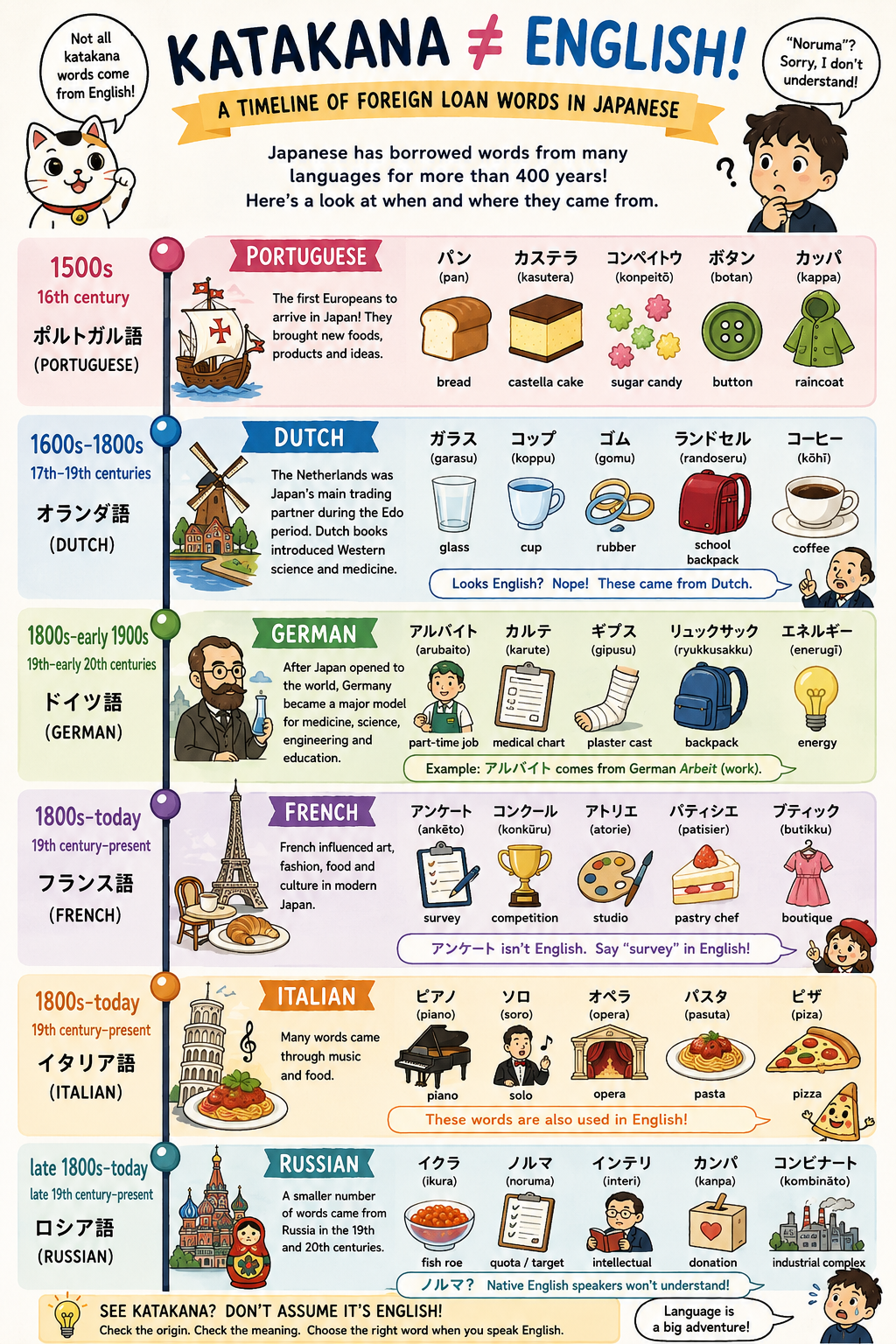
Japanese has thousands of words written in katakana. Many of these words came from English:
コンピューター — computer
ホテル — hotel
テーブル — table
バス — bus
スマートフォン — smartphone
Because of this, Japanese learners of English sometimes make a simple mistake. They see a word written in katakana and think, “This must be English!”
But that is not always true.
Japanese has borrowed words from many languages, including Portuguese, Dutch, German, French, Italian, and Russian. Some of these words have been used in Japanese for hundreds of years.
As a result, a katakana word may sound completely normal to a Japanese person but mean nothing to a native English speaker.
For example:
仕事のノルマが多い。
A Japanese speaker knows that ノルマ means an amount of work that you must complete. However, if you say noruma to an American or British person, they probably will not understand you.
Why?
Because ノルマ is not English. It came from Russian.
In English, we would usually say quota, target, or required amount.
A Short History of Loan Words in Japan
Foreign loan words are not new in Japan.
For many centuries, Japan borrowed words and ideas from China. However, European words began to enter Japanese in the 16th century, when Portuguese traders and missionaries arrived in Japan.
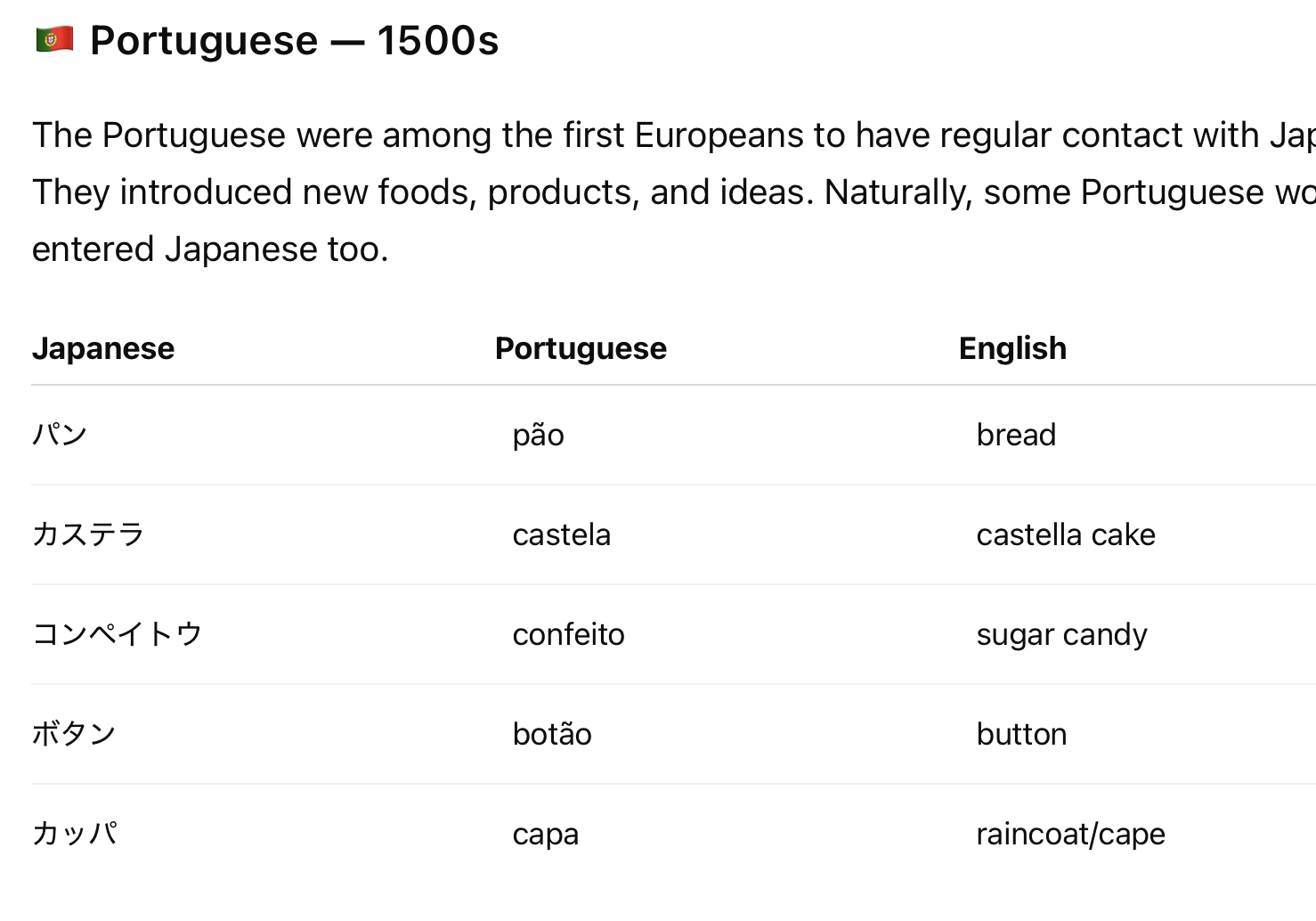
Think about パン. Japanese people use this word every day, but an English speaker who does not know Japanese will not understand pan to mean bread.
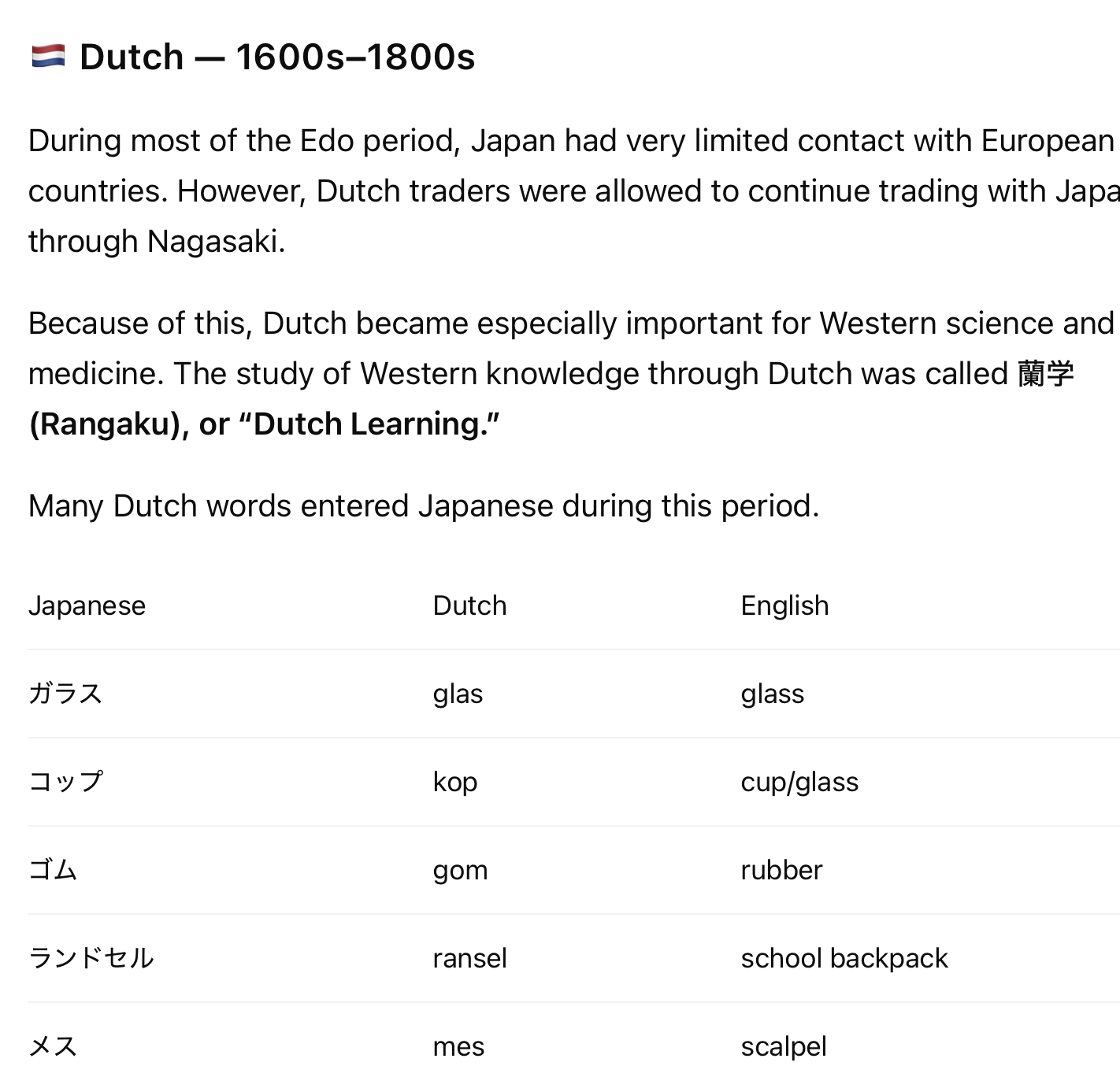
Some of these can cause confusion. For example, コップ sounds a little like English cup, but it actually came from Dutch kop.
And ランドセル certainly does not mean “land cell” in English! It comes from the Dutch word ransel, meaning a backpack.
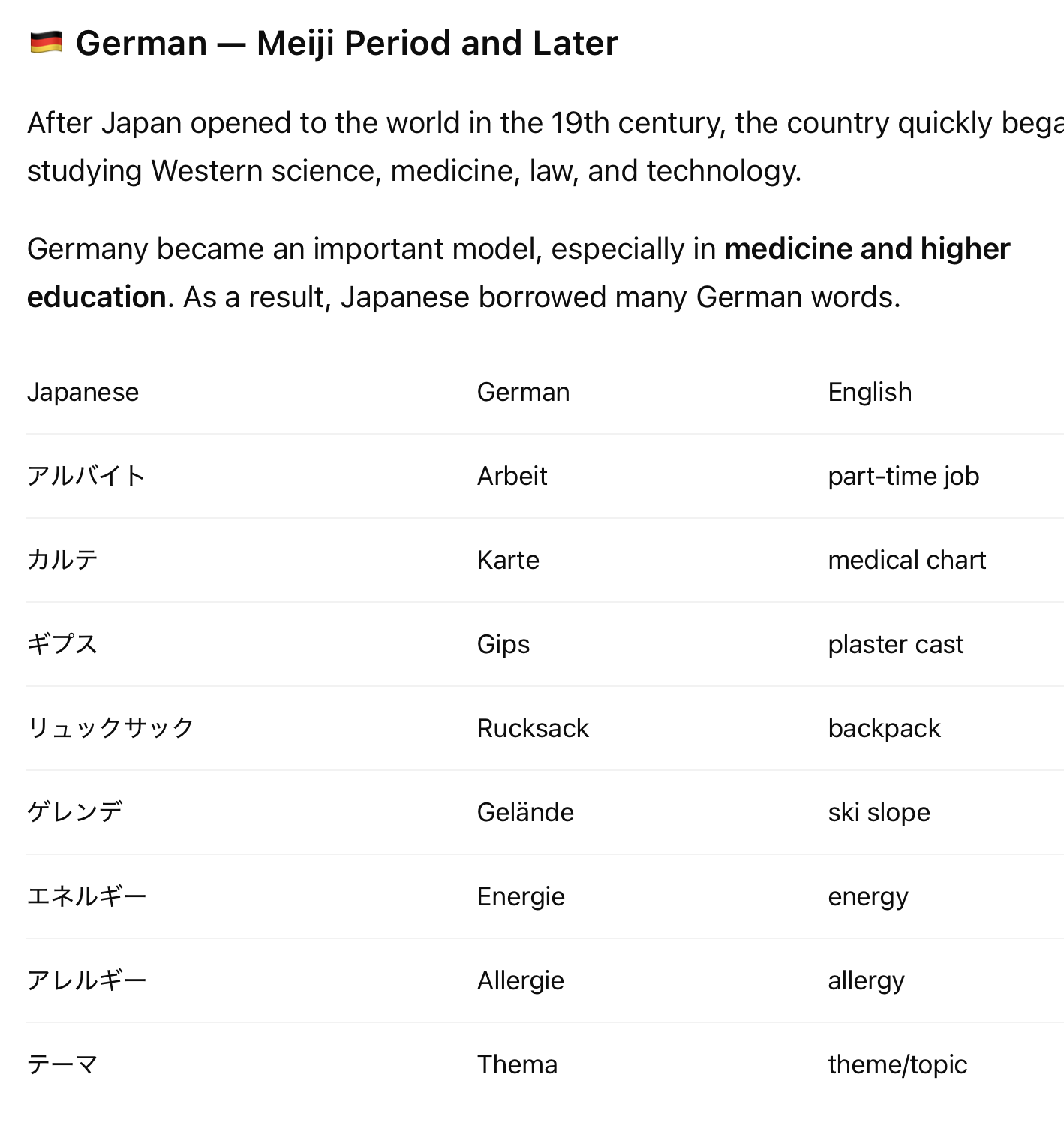
アルバイト is a particularly interesting example.
The German word Arbeit simply means work. In Japanese, however, its meaning changed to part-time work.
If you tell an American, “I have an arubaito tonight,” they will probably have no idea what you mean.
Say:
I have to work at my part-time job tonight.
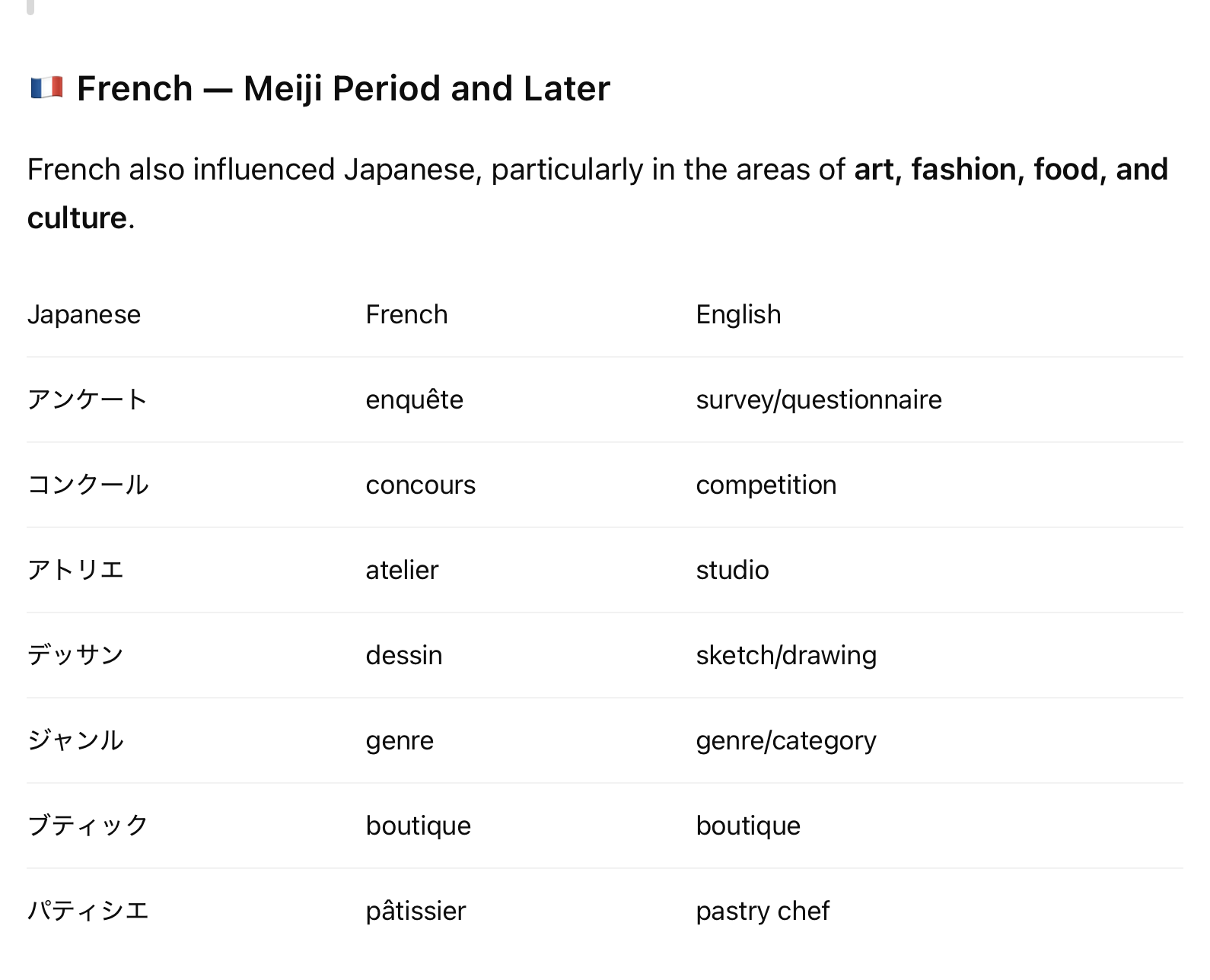
アンケート is a good example of a word that Japanese learners should be careful with.
You may hear:
❌ We did an enquête at school.
An English speaker probably will not understand this.
Instead, say:
✅ We did a survey at school.
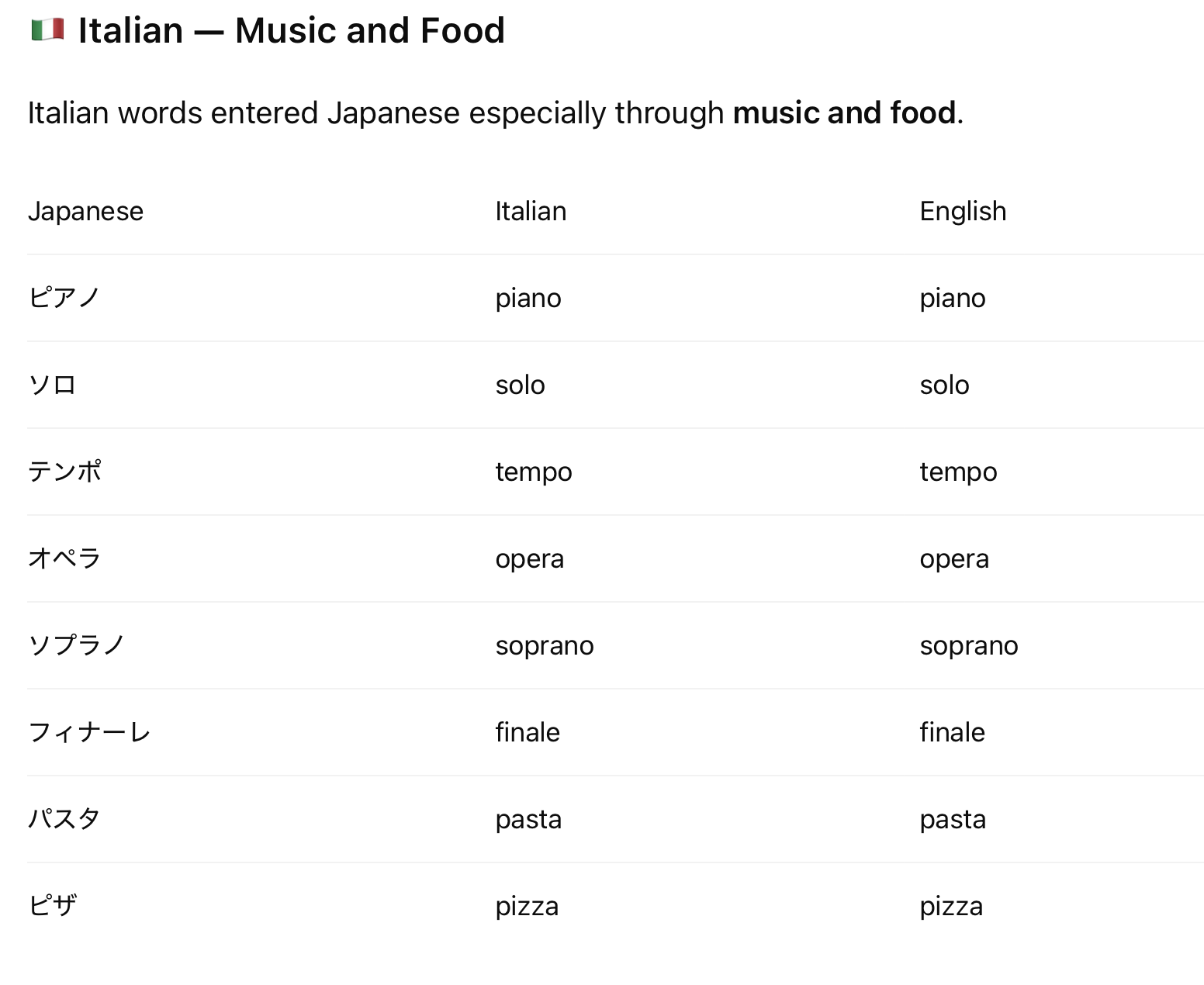
Here we have less of a problem because many Italian words also entered English. An English speaker will understand piano, solo, opera, pizza, and many others.
So a foreign loan word does not have to come from English to exist in English.
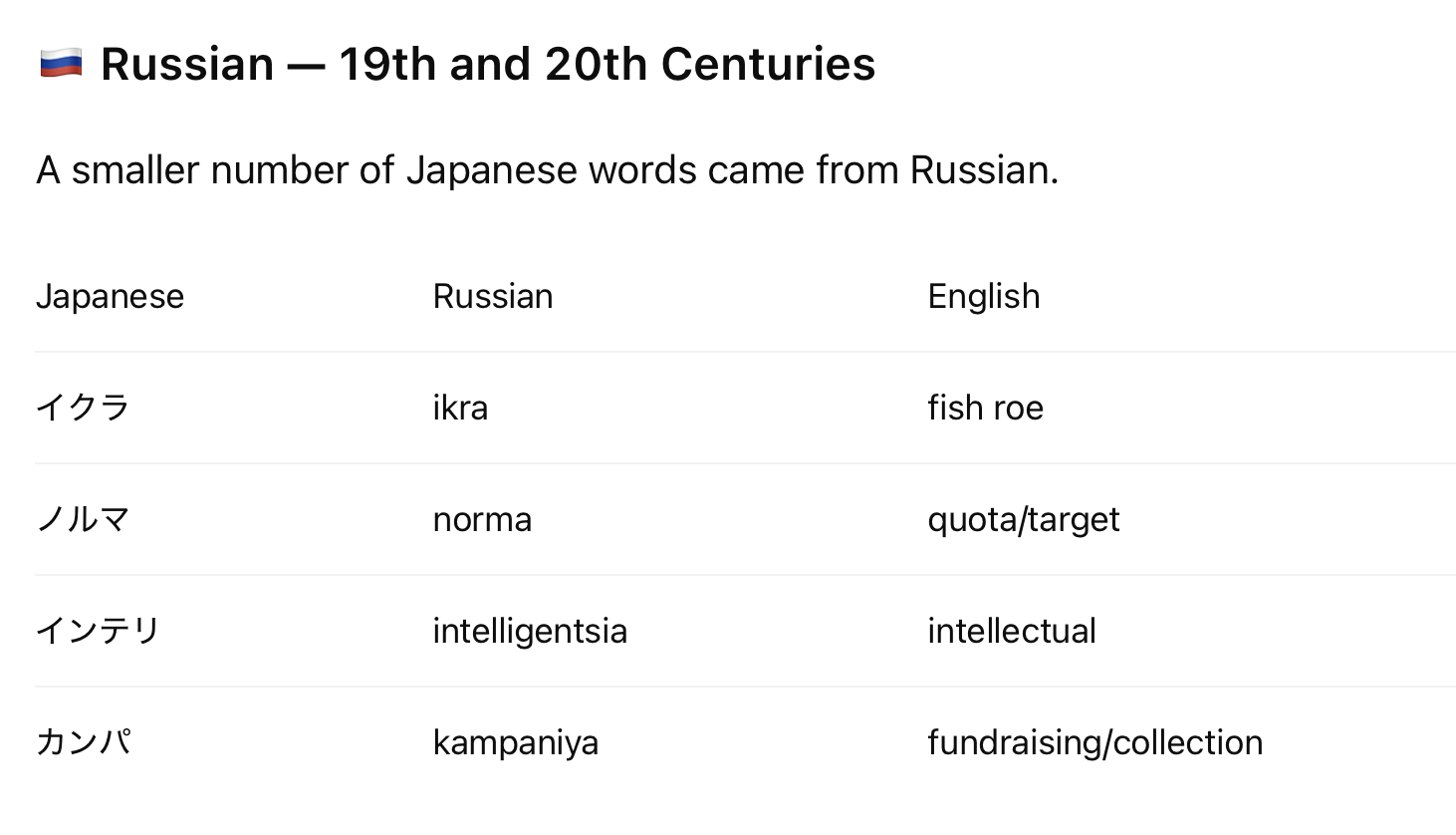
ノルマ is perhaps the most useful example.
A Japanese person might say:
❌ I have a noruma at work.
But a native English speaker will not know what noruma means.
Depending on the situation, you might say:
✅ I have a sales target at work.
✅ I have to meet my quota.
✅ I have a certain amount of work I have to finish.
Katakana Is a Warning, Not a Guarantee!
When you see a katakana word, do not automatically think:
Katakana = English
Instead, think:
Katakana = This word probably came from another language.
Maybe it came from English. Maybe it came from Portuguese 450 years ago. Maybe it came from Dutch during the Edo period. Maybe it came from German, French, Italian, or Russian.
There is another problem too. Even words that did originally come from English may have changed their meaning in Japanese.
For example:
マンション does not normally mean mansion in English.
コンセント does not mean consent.
クレーム is not usually claim.
サラリーマン is not a normal English word.
These are a slightly different type of problem, but the lesson is the same.
Do not trust katakana too much!
When speaking English, ask yourself two questions:
Did this word really come from English?
Do English speakers use it with the same meaning?
If the answer to either question is no, you may need a different word.
Katakana can make learning English easier because Japanese already contains thousands of English loan words. But sometimes it can also lead you into a trap.
So remember: